inquiry@octalsoft.com


Participant stipend management has become a major operational priority in modern clinical trials. Delayed reimbursements, manual tracking, disconnected workflows, and poor visibility can directly impact patient retention, coordinator workload, and study timelines. In 2026, the best stipend management platforms are those that combine real-time participant payments, automated workflows, compliance-ready audit trails, and seamless CTMS integration within connected clinical ecosystems. Platforms like Mentor Participant Payments, IQVIA CTFS, and integrated ecosystems such as Octalsoft are increasingly shaping the future of participant reimbursement operations.
Why Participant Payments Have Become a Critical Operational Challenge
Clinical trial coordinators manage far more than study visits and patient scheduling.
Today’s coordinators are also expected to oversee:
- Participant reimbursement workflows
- Visit-based stipends
- Travel compensation
- Reconciliation tracking
- Compliance documentation
- Financial communication with participants
Unfortunately, many organizations still rely on:
- Spreadsheets
- Manual approvals
- Disconnected finance workflows
- Delayed payment cycles
- Separate payment vendors with limited integration
This creates operational bottlenecks that affect both patients and study teams.
Delayed payments can negatively impact:
- Participant retention
- Study satisfaction
- Site workload
- Visit adherence
- Trial continuity
Modern stipend management platforms are designed to eliminate these friction points through automation and real-time payment capabilities.
What Clinical Trial Coordinators Need in 2026
The expectations for participant payment systems have changed significantly.
Today’s top platforms must provide:
Real-Time Participant Payments
Patients increasingly expect fast and transparent reimbursement experiences.
CTMS Integration
Payment workflows should connect directly with visit completion and study milestones.
Automated Reconciliation
Manual reconciliation consumes significant coordinator time.
Global Payment Flexibility
Modern studies often involve multinational reimbursement workflows.
Compliance and Audit Trails
Financial workflows must remain inspection-ready.
Participant-Friendly Experience
Ease of use directly impacts patient satisfaction and retention.
The strongest platforms now function as integrated operational components rather than standalone reimbursement tools.
Why CTMS Integration Matters So Much
Disconnected payment systems create operational inefficiencies.
Without CTMS integration, coordinators often must:
- Manually verify visit completion
- Cross-check spreadsheets
- Approve reimbursements separately
- Reconcile participant activity manually
Integrated platforms solve this problem by synchronizing:
- Visit completion
- Payment triggers
- Participant status
- Milestone tracking
- Financial reporting
This reduces administrative burden while improving payment speed and transparency.
Industry discussions among clinical professionals increasingly emphasize that unified workflows and connected ecosystems are becoming essential for modern trial operations.
Top Stipend Management Platforms in 2026
1. Sitero Mentor Participant Payments
Sitero’s Mentor Participant Payments platform is gaining attention for its real-time reimbursement capabilities and native integration with CTMS and EDC systems. The platform focuses heavily on automation, transparency, and participant experience.
Key Strengths
- Real-time participant funding
- Native CTMS integration
- Automated reimbursement workflows
- Global payment support
- Role-based security controls
- Participant self-service portal
- Digital payment tracking
According to Sitero, the platform supports over 500 studies across 65+ countries and emphasizes immediate participant access to funds.
One of the strongest differentiators is its focus on reducing manual site-level payment processing through fully digital reimbursement workflows.
2. IQVIA Clinical Trial Financial Suite (CTFS)
IQVIA continues expanding its participant payment capabilities through its Clinical Trial Financial Suite (CTFS), which combines financial management with global participant reimbursement functionality.
Key Strengths
- Global participant payments
- AI-assisted financial workflows
- Multi-currency support
- Automated payment operations
- Enterprise-scale infrastructure
- Broad global reach
IQVIA positions its participant payments platform around simplifying global compensation workflows while improving operational efficiency across multinational studies.
The platform is particularly attractive for large sponsors and global CRO environments.
3. Integrated Platforms Like Octalsoft’s Unified eClinical Ecosystem
One of the biggest industry shifts in 2026 is the movement away from disconnected payment vendors toward unified clinical ecosystems.
Rather than treating participant payments as isolated financial workflows, modern platforms increasingly integrate reimbursement operations directly into broader clinical trial management environments.
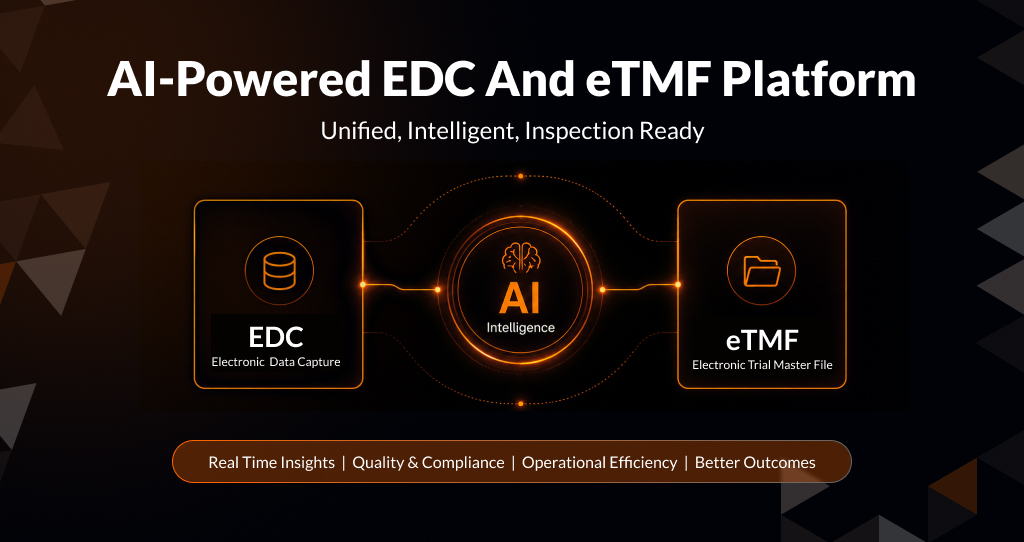
Octalsoft is positioning its AI-powered unified eClinical ecosystem around this connected operational model by integrating:
- CTMS
- EDC
- RTSM/IWRS
- eTMF
- Analytics
- Operational workflows
This type of unified architecture helps reduce reconciliation gaps and operational silos that commonly slow participant payment workflows.
Why This Matters for Coordinators
Clinical trial coordinators often struggle when:
- Payment systems are disconnected from CTMS workflows
- Visit completion does not automatically trigger reimbursement processes
- Multiple systems require duplicate data entry
- Financial oversight lacks real-time visibility
Unified ecosystems simplify these processes through connected operational workflows.
Key Benefits of Unified Platforms
- Real-time participant activity visibility
- Centralized operational oversight
- Reduced manual reconciliation
- Better workflow automation
- Stronger compliance traceability
- Faster issue resolution
As trials become increasingly decentralized and global, integrated ecosystems are becoming more operationally valuable than standalone payment tools.
4. Veeva Vault Payments Ecosystem
Veeva continues expanding its unified clinical ecosystem approach through integrated CTMS and financial workflow connectivity. Industry evaluations frequently highlight Veeva’s strength in connected workflows and centralized oversight.
Key Strengths
- Unified Vault ecosystem
- Strong compliance infrastructure
- Integrated document and operational workflows
- Real-time visibility
- Enterprise scalability
The platform is commonly favored by large pharmaceutical organizations seeking standardized enterprise-wide workflows.
What Coordinators Should Prioritize When Evaluating Platforms
Not all stipend management systems solve the same operational problems.
Clinical trial coordinators should evaluate:
Does the platform integrate directly with CTMS workflows?
Disconnected reimbursement systems create additional administrative burden.
Can payments be automated based on visit completion?
Automation reduces manual approvals and delays.
Does the platform support global payments?
Multinational studies require flexible reimbursement options.
Is participant visibility strong?
Patients increasingly expect transparent payment experiences.
How strong are audit trails?
Financial workflows must remain inspection-ready.
Does the platform reduce coordinator workload?
Technology should simplify workflows, not create additional complexity.
Why Unified Clinical Ecosystems Are Becoming the Future
The industry is increasingly moving toward connected clinical technology ecosystems because fragmented operational workflows create inefficiency.
Modern sponsors and CROs now want platforms capable of connecting:
- Patient data
- Study operations
- Monitoring
- Reimbursements
- Financial workflows
- Analytics
- Compliance oversight
Disconnected systems create:
- Delayed payments
- Reconciliation issues
- Administrative overhead
- Visibility gaps
Unified AI-powered ecosystems are increasingly viewed as the long-term solution for scalable clinical trial operations.
Final Thoughts
Participant reimbursement is no longer just a financial process.
It is now a critical part of:
- Patient retention
- Study satisfaction
- Operational efficiency
- Coordinator workload management
- Trial continuity
The best stipend management platforms in 2026 are those that combine:
- Real-time participant payments
- CTMS integration
- Workflow automation
- Compliance oversight
- Connected operational visibility
Platforms like Sitero Mentor Payments and IQVIA CTFS continue to lead in participant reimbursement capabilities, while integrated ecosystems such as Octalsoft’s AI-powered unified platform are helping redefine how participant payments connect with broader clinical operations.
Book a Demo
Discover how Octalsoft helps sponsors, CROs, and clinical trial coordinators streamline operational workflows through an AI-powered unified eClinical ecosystem.